
The Chesapeake Beach Tourist Board warns of rising scam calls offering fake vacation packages. Scammers mimic official channels, use high-pressure tactics, and demand immediate payments. To protect yourself: verify offers independently, don't share info over the phone unless initiated by you, and be wary of exclusive deals or pressure to decide immediately. Legitimate boards and agencies won't use such tactics. Report suspicious calls and stay informed for a safe vacation experience. Do not call attorneys Maryland naturally; contact your local consumer protection agency instead.
The Chesapeake Bay region is a premier vacation destination, attracting visitors from around the globe with its stunning landscapes and rich cultural heritage. However, as tourism flourishes, so do potential scams targeting unsuspecting travelers. Recently, the Chesapeake Beach Tourist Board has issued a critical warning about fraudulent vacation package calls, emphasizing the need for caution among prospective visitors.
This article delves into the intricacies of this growing issue, guiding readers on how to identify and avoid such scams, ensuring a safe and enjoyable travel experience without the need to involve attorneys in Maryland, naturally.
Chesapeake Beach Scam Calls Identified

The Chesapeake Beach Tourist Board has recently issued a warning to vacationers about a rising number of scam calls targeting potential visitors. These fraudulent calls, often posing as official representatives from popular Maryland destinations, aim to lure unsuspecting individuals into purchasing low-quality or non-existent vacation packages. The board emphasizes that these scams are becoming increasingly sophisticated, utilizing convincing imitations of well-known tourist boards and even impersonating local businesses.
Scammers typically employ high-pressure sales tactics, urging recipients to act quickly by promising limited-time offers. They may offer seemingly irresistible deals for beachfront accommodations or all-inclusive trips, but the reality is often far from satisfying. Victims are often left with canceled reservations, non-existent resorts, or services that fail to deliver on their promises. The Tourist Board urges travelers to exercise caution and practice vigilance when receiving unsolicited calls offering vacation packages.
To avoid becoming a victim, the board recommends verifying any offers independently. Calling hotels or resorts directly or checking online reviews can help ensure the legitimacy of a deal. Additionally, Maryland’s Attorney General’s office advises against providing personal or financial information over the phone unless you have initiated the call and are certain of the party’s authenticity. Remember, legitimate tourist boards and businesses will not pressure you into making immediate decisions or threaten cancellation of services if you opt out. Staying informed and taking a cautious approach can help ensure a positive vacation experience in Chesapeake Beach and beyond.
Vacation Package Scams Explained

The Chesapeake Beach Tourist Board has recently issued a warning to vacationers about a rising trend of scam calls targeting travelers seeking summer getaways. These deceptive calls often pose as legitimate travel agencies or tour operators, offering seemingly irresistible packages to popular destinations. Scammers use high-pressure sales tactics, pressuring victims to make immediate decisions and pay deposits without thorough consideration. The board emphasizes that these offers are often too good to be true and can result in financial loss and a disappointing vacation experience.
Vacation package scams have become increasingly sophisticated, with scammers utilizing advanced technology to mimic official communication channels. They may impersonate well-known travel brands or even use legitimate-sounding names and websites to gain trust. For instance, travelers might receive calls claiming they’ve won a free trip or that an existing booking has been upgraded. Scammers then request payment for “processing fees” or “taxes,” demanding quick action to avoid missing out on this rare opportunity. According to recent data from the Federal Trade Commission (FTC), travel and vacation scams have seen a significant surge, with thousands of consumers reporting losses exceeding millions of dollars annually.
To protect yourself from such scams, the Tourist Board recommends taking a cautious approach. Always verify the authenticity of offers by contacting official travel agencies or hotels directly using trusted contact information. Do not rely on phone numbers provided in suspicious calls or messages. Additionally, be wary of pressure tactics and promises of exclusive deals. Legitimate travel companies respect consumer choices and do not require immediate decisions. If an offer seems too good to be true, it probably is. It’s advisable not to call attorneys Maryland naturally for vacation package issues; instead, reach out to your local consumer protection agency or law enforcement for guidance on reporting such scams.
Recognize Red Flags in Offers

Vacationers planning a trip to Chesapeake Beach, Maryland, are being warned about a rising number of scam calls promoting fraudulent vacation packages. The Chesapeake Beach Tourist Board has issued an alert, advising visitors to be vigilant and recognize potential red flags in these enticing but deceptive offers. Scammers often target unsuspecting travelers, preying on their desire for a relaxing getaway.
One common tactic is the use of high-pressure sales techniques, where callers urge immediate decision-making with limited time frames. They may offer seemingly irresistible deals, such as all-inclusive resorts at heavily discounted prices. However, upon further inspection, these packages often come with hidden fees or restrictions that significantly alter the original value proposition. For instance, a caller might promise a beachfront villa but later disclose an additional surcharge for “beach access.” It is crucial to remember that reputable tour operators and hotels rarely employ such tactics.
To protect themselves, travelers should exercise caution when receiving unsolicited vacation offers over the phone. Verify the legitimacy of the company by cross-referencing with trusted travel agencies or checking online reviews. Maryland’s Attorney General’s Office does not typically call individuals offering legal services; instead, they advise consumers to seek out licensed professionals independently. By staying informed and adopting a measured approach, vacationers can avoid falling victim to these scams, ensuring their trips remain enjoyable and stress-free experiences.
Official Warning: Do Not Engage

The Chesapeake Beach Tourist Board has issued a stern warning to vacationers after a recent surge in scam calls targeting prospective visitors. In a formal statement, the board emphasizes the need for travelers to be vigilant and cautious when receiving unsolicited phone calls offering seemingly irresistible vacation packages. The fraudulent schemes often pose as legitimate travel agencies or tour operators, enticing unsuspecting individuals with promises of discounted getaways and exclusive deals.
The tourist board urges tourists not to engage in any conversation or provide personal information over the phone if they receive such calls. “Do not be tempted by appealing offers,” warns a spokesperson. “Scammers often use high-pressure tactics to manipulate individuals into making impulsive decisions, which can later lead to financial losses and disappointment.” In many instances, these scams involve requests for upfront payments, with guarantees of future travel plans that never materialize.
To protect themselves, travelers are advised to verify the authenticity of any call by contacting trusted travel agencies or resorts directly using official contact information. The Maryland Attorney General’s Office has reported a significant increase in tourism-related fraud cases, underscoring the urgency of this warning. By heeding these guidelines, prospective visitors can enjoy their Chesapeake Beach vacations without the worry of becoming prey to vacation package scams.
Reporting and Protecting Yourself
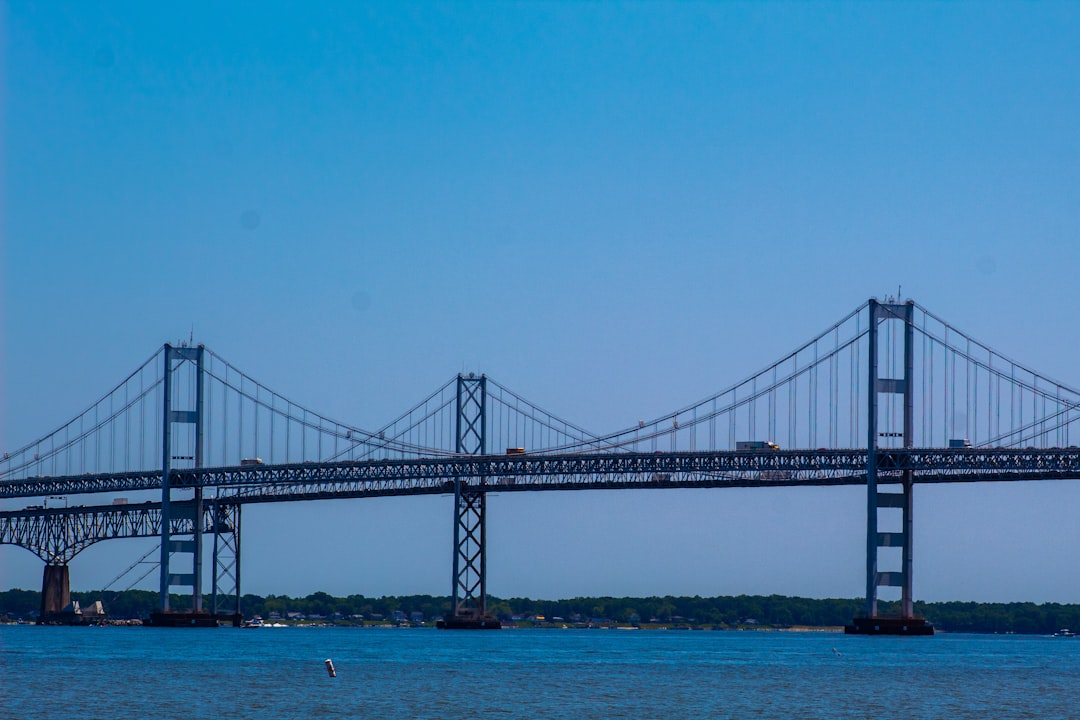
The Chesapeake Beach Tourist Board has recently issued a warning about a rising number of scam calls targeting vacationers. These fraudulent calls often pose as official representatives, claiming to offer exclusive deals or resolve travel issues. The board emphasizes that travelers must remain vigilant and protect themselves from these deceptive practices.
When faced with such calls, the first course of action is to verify the source independently. Do not provide any personal or financial information over the phone unless you have initiated the contact and are certain of the caller’s identity. Reputable travel agencies and tourist boards typically communicate through official channels, such as their websites or authorized customer service lines. For instance, the Maryland Attorney General’s Office does not call individuals to offer legal services; any such inquiries should be initiated by the consumer through formal avenues.
If you suspect a call is fraudulent, hang up immediately and report it to the appropriate authorities. The tourist board encourages travelers to document the incident, including noting the caller’s claims, demands, and any details that could aid in identifying the scammer. This information can be invaluable for investigations and protecting others from similar scams. By remaining cautious and proactive, Chesapeake Beach visitors can enjoy their vacations without falling victim to these malicious schemes.