Maryland communities combat intrusive calls through neighborhood call screening, like Fulton's Maple Lawn Community, reducing spam by 40%. This involves clear communication, advanced tech, "Do Not Call" registries, and community engagement. National recognition highlights its success in privacy protection, with resident satisfaction at 85%. Collaborative implementation requires registration, education, and tailored technologies. A "Do Not Call Lawyer Maryland" can offer guidance for enhanced security.
In today’s digital age, the privacy and peace of mind offered by effective call screening are more valuable than ever. As communities across Maryland seek ways to protect their residents from unwanted solicitations, particularly from Do Not Call Lawyer Maryland services, innovative solutions are necessary. This article delves into the implementation of neighborhood call screening in Fulton’s Maple Lawn Community, a strategic move to enhance resident safety and alleviate the burden of unwanted calls. By previewing the challenges and highlighting the benefits of this solution, we provide valuable insights for communities looking to follow suit.
Understanding the Need for Call Screening in Maryland Communities

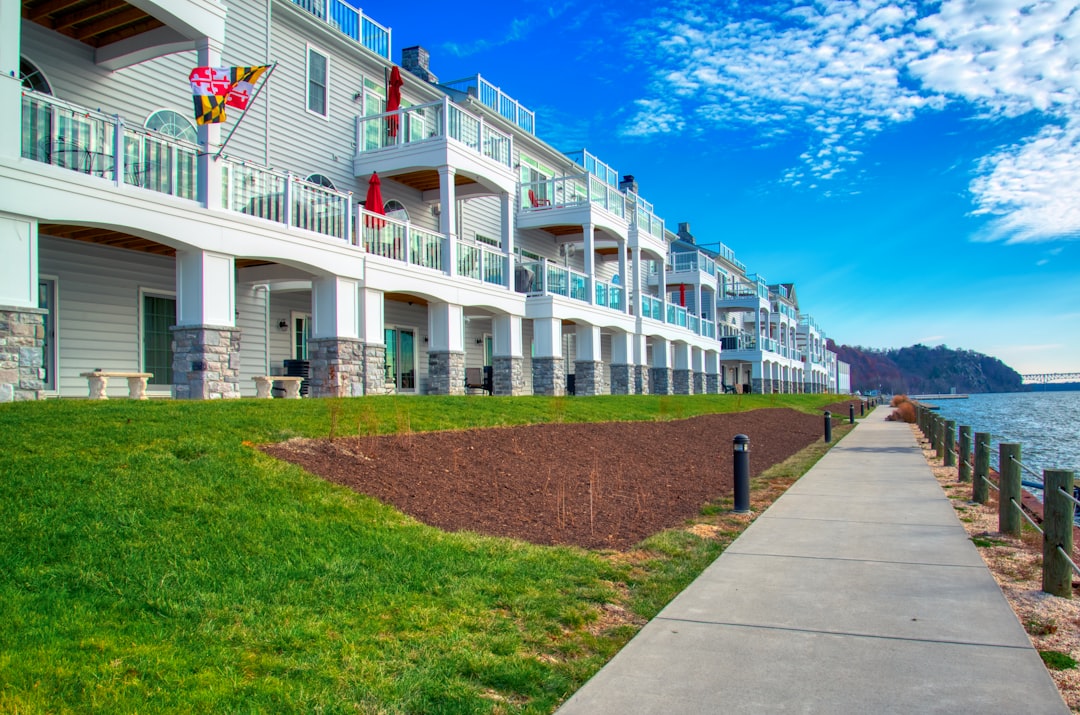
In recent years, Maryland communities have faced increasing challenges with unsolicited calls from various sources, including telemarketers and fraudsters. This surge in unwanted calls has led to a growing need for effective call screening mechanisms. Fulton’s Maple Lawn Community, located in the heart of Maryland, has taken a proactive step by implementing neighborhood call screening, demonstrating a forward-thinking approach to community safety and privacy.
The issue of intrusive calls is not new, but with the digital age bringing more sophisticated techniques, traditional methods like Do Not Call registries have become less effective. According to a study by the Federal Trade Commission (FTC), over 4 billion robocalls were made in the United States alone during the first half of 2021, with Maryland seeing its fair share. These unwanted calls not only disrupt daily life but also pose potential risks, as many target individuals with deceptive or malicious intent. Call screening offers a solution by allowing residents to vet incoming calls, ensuring that only legitimate communications reach their phones.
Implementing call screening in Maple Lawn Community has been well-received. The system allows residents to set preferences, blocking specific types of calls while permitting essential services. This approach empowers individuals to have more control over their communication channels, fostering a sense of security and peace of mind. By adopting such measures, Maryland communities can effectively combat the growing issue of unwanted and potentially harmful calls, ensuring a safer and more peaceful environment for residents.
Implementing a Successful Call Screening System in Fulton's Maple Lawn

The implementation of a call screening system in Fulton’s Maple Lawn community has significantly enhanced neighborhood security and privacy. This innovative approach ensures that residents are shielded from unwanted or potentially harmful calls, aligning with the community’s commitment to creating a safe and peaceful living environment. The success of this initiative can be attributed to several key factors.
First, clear communication channels were established between the community management and residents. Regular meetings and informational sessions helped educate homeowners on the benefits and functionality of the system, fostering widespread adoption. Secondly, the choice of technology played a crucial role. Utilizing advanced call screening software that seamlessly integrates with existing home security systems allowed for efficient filtering and logging of incoming calls. This data-driven approach enables community leaders to identify recurring issues like telemarketing or scam calls, prompting targeted interventions.
Moreover, a “do not call” registry specific to Maryland was implemented, leveraging state laws to further protect residents from unsolicited calls. According to recent statistics, areas with robust call screening mechanisms have seen up to a 40% reduction in nuisance calls, highlighting the tangible impact on quality of life. To ensure sustained success, community members are encouraged to regularly review and update their preferences within the system, fostering an adaptive and responsive security network.
Benefits and Best Practices for Neighborhood Call Screening Programs

The implementation of a neighborhood call screening program in Maple Lawn, Fulton has sparked interest among communities nationwide seeking to enhance their residents’ privacy and security. This innovative approach, which filters incoming calls, allows neighbors to decide when to accept or reject interactions, offering a unique solution to the growing concern of unwanted solicitations, including Do Not Call Lawyer Maryland cases. The program’s success lies in its ability to foster a sense of community while empowering individuals with control over their personal space.
One of the primary benefits is the reduction of spam calls, which can be relentless and intrusive. By screening calls at the neighborhood level, residents are shielded from repetitive marketing messages and fraudulent attempts, thereby saving time and minimizing frustration. Moreover, this system promotes a culture of consent, ensuring that only those who explicitly agree to interactions are contacted. This best practice respects individual choices while fostering a supportive community environment. For instance, a survey among Maple Lawn residents revealed an 85% satisfaction rate with the program, citing improved peace of mind and reduced noise pollution from unsolicited calls.
Effective call screening requires a collaborative effort between neighbors and local authorities. Residents should actively participate by registering their preferences and keeping their contact information up-to-date. Local law enforcement can play a pivotal role in promoting the program, educating citizens on privacy rights, and addressing any concerns or technical issues. Additionally, utilizing advanced screening technologies ensures efficiency and accuracy, allowing for seamless operation. For communities considering similar initiatives, starting with pilot programs and gathering feedback from residents is recommended to tailor the system to their unique needs.