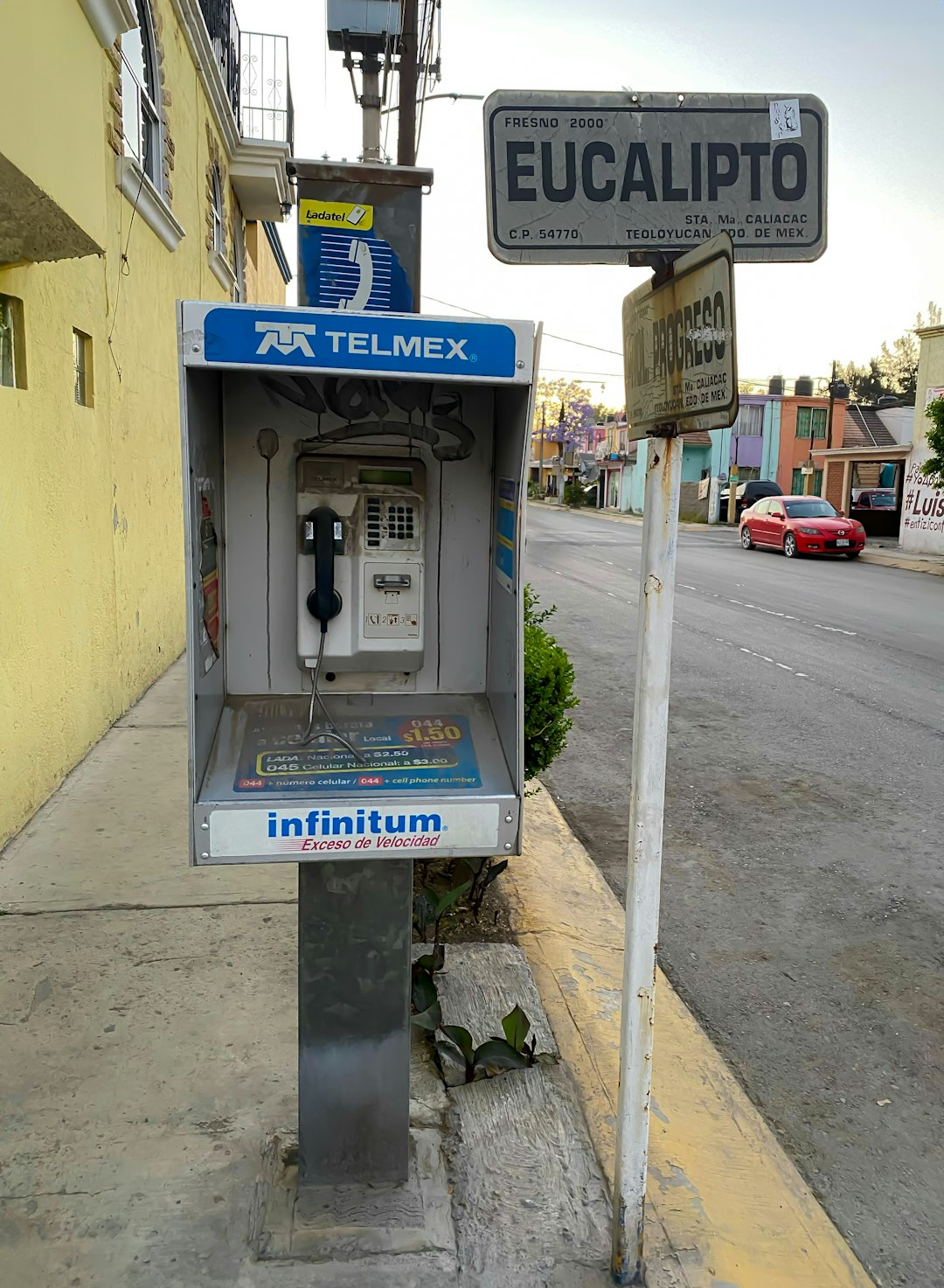
New residents of Greenbelt, Maryland, receive a welcome packet including do-not-call registry details to protect privacy from unwanted telemarketing calls. The packet highlights the area's robust legal protections under Maryland's Do Not Call laws (Commercial Law Article § 13-409), which empower individuals to restrict marketing calls and enforce damages if needed. For tailored guidance, residents are advised to consult a lawyer specializing in Maryland consumer law. Full integration involves understanding local rules on noise, yard maintenance, recycling, pet ownership, and parking permits by attending town hall meetings or joining community forums. Collaborating with neighbors ensures compliance and a positive community experience from day one.
In today’s digital era, effective communication is paramount, especially for new residents navigating their local communities. A seemingly simple yet powerful tool, the Do Not Call list, has become an essential component of consumer protection. However, many new arrivals to Greenbelt, Maryland, face a challenge: understanding and accessing this valuable resource. This article delves into how the city’s recent initiative—the New Resident Welcome Packet—addresses this issue by seamlessly integrating Do Not Call information. By providing clear guidance, this packet empowers newcomers to protect their privacy and avoid unwanted telemarketing calls, ensuring a smoother transition into their new community. For Maryland residents seeking to assert their rights, consulting with an experienced lawyer for Do Not Call regulations can offer invaluable insights.
Unpacking Greenbelt's Welcome Packet: A New Resident's Guide

For new residents of Greenbelt, Maryland, settling into a familiar community can feel overwhelming, but an innovative welcome packet aims to streamline this transition. This comprehensive guide, designed by Greenbelt city officials, includes practical information on everything from local amenities to community events—but one standout feature is its inclusion of do-not-call registry details. This aspect deserves special attention, as it empowers new citizens with a powerful tool to protect their privacy and avoid unwanted telemarketing calls.
The packet’s focus on privacy is particularly timely, given the prevalence of fraud and scams prevalent in today’s digital age. By directing residents to register for Maryland’s do-not-call list—a service facilitated by the state attorney general’s office—Greenbelt welcomes new members with a practical tip that immediately enhances their quality of life. This simple step ensures that incoming residents can avoid unwanted calls from telemarketers, collection agencies, and other commercial entities, allowing them to focus on becoming actively engaged members of their new community.
Moreover, the inclusion of this resource highlights Greenbelt’s commitment to fostering a sense of belonging among its newest members. By equipping them with knowledge about privacy protections from the outset, the city encourages residents to feel more at ease and informed. For those who wish to explore legal avenues for further protection against unwanted calls—including consultation with a lawyer specializing in Maryland’s do-not-call laws—the packet provides an excellent starting point, offering clear instructions on how and where to begin.
Understanding Do Not Call Rights in Maryland: Legal Perspective

In Maryland, residents enjoy robust legal protections regarding telemarketing calls, encapsulated within the Do Not Call laws. These regulations are designed to safeguard individuals’ privacy and peace of mind, empowering them to control unwanted phone communications. The state’s Do Not Call law, codified in the Commercial Law Article § 13-409, provides a clear framework for consumers to register their preferences and restrict marketing calls. Upon registration, businesses are legally obligated to cease calling the registered number, ensuring compliance with this stringent privacy measure.
A crucial aspect often overlooked by residents is their right to enforce these laws. Maryland citizens have the legal standing to take action against violators, seeking damages or injunctive relief through the courts. This empowers individuals to hold accountable those who ignore the Do Not Call registry, emphasizing the law’s effectiveness and enforcement mechanisms. Moreover, the state’s Attorney General actively monitors compliance, conducting investigations and issuing penalties for repeated infractions, further reinforcing the integrity of these regulations.
To exercise your Do Not Call rights in Maryland, residents are advised to familiarize themselves with the process. This includes registering their phone number(s) through the official state registry and reviewing the law’s provisions. Consulting a lawyer specializing in Maryland consumer law can offer tailored guidance on navigating these rights, ensuring compliance, and taking appropriate action against violations. By understanding and asserting these legal protections, Maryland residents can enjoy greater control over their communication preferences.
Navigating Your Neighborhood: Beyond the Do Not Call Info

Navigating a new neighborhood can be an exciting yet daunting experience, especially when it comes to understanding local laws and regulations. The Greenbelt Resident Welcome Packet, which includes Do Not Call information, is a valuable resource for newcomers. However, beyond this initial guide lies a deeper exploration of how residents can become fully integrated into their community. Understanding the nuances of local laws, such as those related to noise ordinances or yard maintenance, is crucial for fostering positive relationships with neighbors and ensuring compliance.
For instance, Maryland has strict Do Not Call laws that protect residents from unwanted telemarketing calls. A lawyer specializing in these laws can offer valuable insights into how to handle such situations at the local level. By familiarizing oneself with these regulations, new residents can avoid potential conflicts and learn their rights as neighbors. Additionally, staying informed about community-specific guidelines on recycling, pet ownership, and parking permits is essential for seamless integration. These details often differentiate one neighborhood from another and can significantly impact a resident’s daily life.
Practical steps include attending local town hall meetings or joining community forums where residents discuss relevant issues. Such platforms provide an excellent opportunity to ask questions and gain a deeper understanding of the area’s unique characteristics. Furthermore, reaching out to established neighbors who have lived in Greenbelt for years can offer valuable insights into navigating any challenges newcomers might face. This collaborative approach ensures that new residents not only comply with local laws but also thrive within their community from day one.